
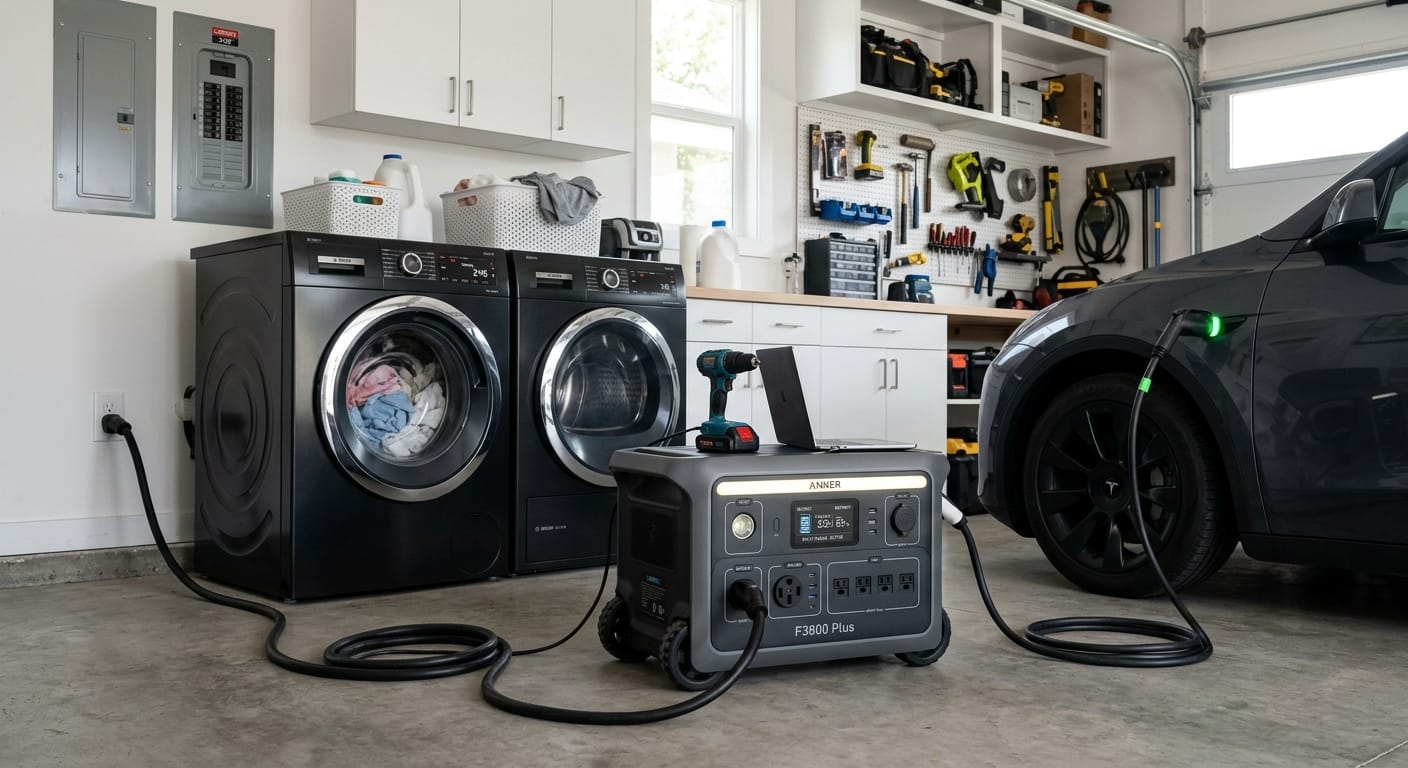
When utility grids fail for days or weeks at a time, portable power stations no longer suffice for charging phones and running a single lamp. Modern homeowners require robust, high-voltage energy systems capable of keeping refrigerators, well pumps, heating systems, and medical devices operational without interruption. With multi-thousand-dollar investments on the line, selecting the correct architecture requires understanding inverter output, battery chemistry, surge ratings, and home integration.
In this guide, we break down the engineering specifications, runtime realities, and best-in-class use cases for the premier high-capacity power systems currently dominating the off-grid market.
Understanding the Core Metrics: Capacity vs. Output
The single biggest mistake buyers make when purchasing a high-end power station is confusing storage capacity (watt-hours / kWh) with inverter output (watts / W). Getting this distinction right dictates whether your system can physically start an appliance and how long it will run.
- Inverter Output (Watts): This determines what you can run simultaneously. A 3,600W inverter handles standard 120V household loads, while true 240V split-phase systems (6,000W to 7,200W+) are required to start heavy inductive loads like central air conditioners and heavy-duty well pumps.
- Storage Capacity (Watt-Hours): This determines how long your gear stays powered. A base 3.6kWh unit will run a standard refrigerator for roughly 30 to 40 hours of cumulative compressor run time, whereas expandable systems scaling up to 26kWh or 90kWh provide weeks of autonomous living.
Top High-Ticket Power Systems Compared
Below is a technical breakdown of the industry-leading power stations engineered for whole-home resilience and off-grid independence.
1. Anker SOLIX F3800 Plus: Heavy-Duty Split-Phase Power
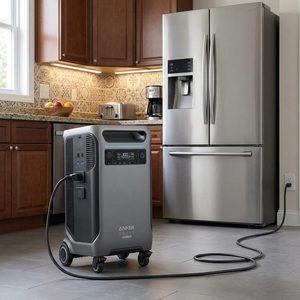
Anker SOLIX F3800 Plus
6,000W Output | 3.84kWh to 26.9kWh Capacity — Heavy-duty split-phase power with direct EV charging integration.
Check Price & Availability on AmazonThe Anker SOLIX F3800 Plus is built for users demanding heavy continuous output and native vehicle charging integration. Operating with a massive 6,000W output, it handles power-hungry appliances with ease.
- Expandability: Scales from a 3.84kWh base up to 26.9kWh using modular battery packs.
- Direct EV Charging: Features built-in ports allowing you to charge electric vehicles directly from the unit without cumbersome adapters.
- Smart App Control: Comprehensive remote monitoring via Wi-Fi and Bluetooth to manage energy allocation and solar input.
2. Jackery HomePower 3600 Plus: Expandable Resilience
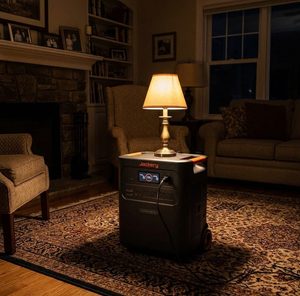
Jackery HomePower 3600 Plus
3,600W Output | 3.6kWh to 57.6kWh Capacity — Whisper-quiet operation (30dB) with EV-grade LiFePO4 battery longevity.
Check Price & Availability on AmazonEngineered specifically for household emergency readiness, the Jackery HomePower 3600 Plus combines EV-grade LiFePO4 battery architecture with exceptional thermal stability.
- Lifespan: Rated for 6,000 full charge cycles, translating to up to 16 years of dependable daily service.
- Whisper-Quiet Operation: Operates at an ultra-low 30dB, allowing indoor overnight placement without intrusive fan noise.
- Modular Expansion: Scalable up to 21kWh to 57.6kWh depending on kit configurations, supporting extended grid outages seamlessly.
3. EcoFlow Delta Pro Ultra: Unrivaled Industrial Power
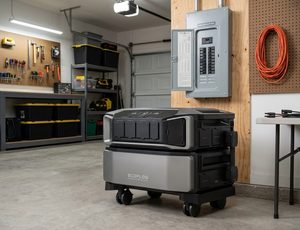
EcoFlow Delta Pro Ultra
7,200W Output | 6kWh to 90kWh Capacity — Industrial-grade whole-home backup capable of running central AC systems.
Check Price & Availability on AmazonFor absolute energy independence and heavy commercial-grade residential backup, the EcoFlow Delta Pro Ultra represents the pinnacle of modern off-grid engineering. Delivering a staggering 7,200W output per inverter, it effortlessly runs central air conditioning units and heavy workshop tools.
- Massive Ceiling: Scalable from 6kWh all the way to an astonishing 90kWh when paired with expansion batteries and smart home integration.
- Smart Home Panel 2 Integration: Provides automated 0ms switchover during blackouts and optimizes daily energy usage to lower electric utility bills.
Appliance Sizing and Real-World Runtimes
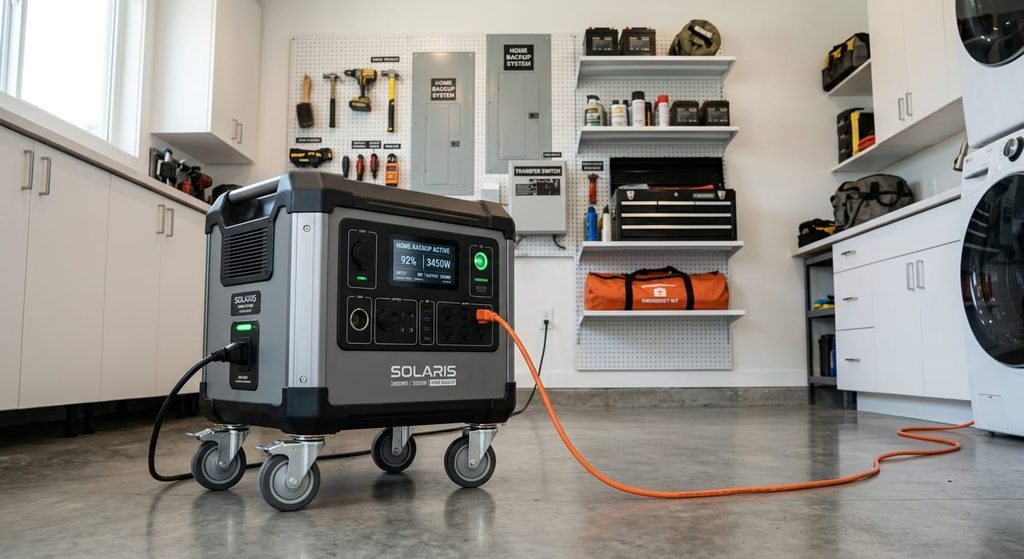
When calculating system requirements for your home, always account for inductive motor surge. A refrigerator or well pump may draw 600W while running, but requires up to 3x that wattage for a fraction of a second upon startup. Ensure your chosen inverter’s surge rating easily accommodates your heaviest motor loads.
- Refrigerators & Freezers: Typically consume 1.2kWh to 2kWh per day, making them easily manageable on any 3.6kWh+ base station.
- Sump Pumps & Well Pumps: Require 240V split-phase capability (such as the [Anker SOLIX F3800](http://googleusercontent.com/shopping_content/3_link) to prevent basement flooding or secure running water during prolonged emergencies.
- Central HVAC: Demands heavy-duty multi-inverter setups (like the EcoFlow Delta Pro Ultra ecosystem) to run central cooling compressors safely.
To continue optimizing your emergency energy strategy, be sure to explore our companion guides on Choosing the Best Portable Solar Panels for rapid off-grid recharging, examine 3 Simple Ways to Build a Reliable $300 Blackout Kit, and look at our review of 5 Proven Emergency Blackout Accessories That Will Save Your Life.
Disclaimer: As an Amazon Associate, Off Grid Watts earns from qualifying purchases on recommended hardware. Specifications and pricing are subject to manufacturer updates.
Leave a Reply